Water Damage Restoration in Minneapolis. On Site Fast, Every Time.
Water is already spreading while you’re reading this. You don’t need a sales pitch, you need someone on the way. That’s the entire reason this page is short on marketing language and long on what actually happens once you call. Our Minneapolis water damage restoration crews answer 24/7, arrive with moisture meters and thermal imaging already in the truck, and start extraction the moment we walk in.
★★★★★ Locally dispatched. IICRC certified. Licensed, bonded, and insured.
24/7 — Emergency dispatch, every day of the year
60 Min — Average arrival time inside the Minneapolis metro
IICRC — Certified technicians on every job, not just the estimate
$0 — Cost to you for the initial inspection and moisture assessment
Minneapolis basements flood every spring, and Minneapolis pipes burst every winter. Water damage here isn’t rare, it’s seasonal.
Twin Cities homes deal with two very different threats depending on the calendar. Spring snowmelt and sudden thunderstorms push groundwater against foundations that were built for a drier decade, and sump pumps that worked fine in November fail under April’s volume. Come January, it’s the opposite problem: a hard freeze hits an uninsulated pipe run in a crawlspace or an exterior wall, and a homeowner comes home to water running down the stairs.
Add in the older housing stock across neighborhoods like Northeast, Longfellow, and parts of St. Paul, where clay sewer lines and aging cast iron are common, and sewage backups become a real and recurring risk, not a freak accident. In neighborhoods like Northeast Minneapolis, Longfellow, and the older blocks of St. Paul, terra cotta and clay pipe segments installed before the 1960s are still doing the job, and tree roots find their way into every hairline crack over enough winters. Further out in Edina, Plymouth, and Bloomington, the housing stock skews newer, but the same freeze-thaw stress on foundations and the same spring water table rise still apply, just with PVC plumbing instead of clay.
None of this is content we’re inventing to sound local. It’s the pattern every restoration company in this market sees on repeat, and it’s why searching for water damage restoration Minneapolis should get you a locally dispatched crew, not a national call center reading from a script in another state.
Itemized, written pricing before work begins, every time.
Every Water Damage Restoration Minneapolis Job Includes Real Credentials
Every water damage restoration Minneapolis homeowner hires through us is licensed, bonded, and insured, with IICRC-certified technicians on every job, not just the sales estimate.
Why Our Pricing Is Different
That last point is a direct answer to the most common complaint we hear about this industry: surprise charges that show up after the job is already underway. We price in writing, upfront, itemized by task.
Serving the Twin Cities Metro, 24/7
Water Damage Restoration Services in Minneapolis and the Twin Cities
Water damage restoration in Minneapolis covers more than pulling out wet carpet. It’s water extraction, structural drying, sanitizing, and rebuilding, done by one team from the first call to the final walkthrough. Each service below covers a different kind of loss, but the underlying approach never changes: stop the water first, dry the structure completely, then rebuild what was damaged, all without handing you off between separate companies partway through.
Our Services
Every Job Includes
Water damage restoration in Minneapolis follows the same steps on every job.
Call
A real person answers, day or night, and dispatches a crew immediately. No phone tree, no call center in another state reading from a script, just a locally dispatched technician already on the way. We ask a handful of quick questions about the water source and affected areas so the crew arrives with the right equipment already loaded, instead of showing up and then driving back for gear.
Assess
On arrival, we classify the water (Category 1, 2, or 3) and map moisture with meters and thermal imaging before touching anything. This step matters more than it sounds: treating a Category 3 sewage loss like a simple clean-water leak skips containment steps that protect your family’s health, and misreading how far moisture has traveled means drywall gets closed back up over material that’s still wet.
Restore
Extraction, containment, and industrial drying equipment go in the same visit. Standing water comes out first with truck-mounted or portable extraction units, then air movers and dehumidifiers go to work on what’s left in the structure itself, positioned based on the moisture map from the assessment rather than just lined up along the walls.
Rebuild
Drywall, flooring, and finish work handled by the same team, not passed off to a separate contractor once the drying fans come out. We match materials as closely as possible to what was there before, coordinate directly with your adjuster on the scope of work, and don’t consider the job finished until the space is livable again, not just dry.
That last step is the one homeowners tell us matters most. A lot of restoration companies stop at mitigation and leave you to find someone else for reconstruction. We don’t split the job in half.
Be Our First Verified Review
Professional water damage restoration in Minneapolis takes three to five days on average for a standard residential loss, covering extraction, drying, sanitizing, and monitoring until moisture readings return to normal.
Homeowners calling for the first time usually don’t know what “restoration” actually involves beyond “getting the water out.” It’s a longer process than most people expect, and understanding the stages ahead of time makes the whole thing far less stressful. Here’s the real sequence:
Day 1: Extraction and assessment. Standing water is pumped out, and technicians use moisture meters and thermal imaging cameras to find water that’s already migrated into walls, subfloor, and insulation, not just what’s visible on the surface.
Days 1 to 4: Structural drying. Industrial air movers and dehumidifiers run continuously. Drywall, baseboards, or flooring may need to come out if moisture is trapped behind them, since drying over wet material just delays mold growth instead of preventing it.
Ongoing: Daily moisture monitoring. A technician checks readings daily and adjusts equipment placement until every affected material is back to a dry standard, not just “looks dry.”
Once dry: Reconstruction. Drywall, flooring, trim, and paint go back in, ideally by the same company that handled the drying, so nothing gets lost in a handoff between separate contractors.
How Fast Does Water Damage Turn Into Mold?
Mold can begin growing within 24 to 48 hours on wet drywall, carpet, or wood, which is why the speed of the initial extraction matters more than almost any other factor in a water damage claim, and it’s the single biggest reason DIY dry-out attempts end up costing more in the long run. Waiting even one extra day to call increases the odds that mitigation alone won’t be enough and remediation gets added to the job.
Why Does Minneapolis Have So Much Water Damage?
Minneapolis and the Twin Cities combine an old housing stock, a hard freeze-thaw cycle, and heavy spring snowmelt, three factors that together create year-round water damage risk instead of a single flood season.
Ice dams and roof leaks. Minnesota winters build up snow that melts from attic heat loss and refreezes at the roof edge, forcing water back under shingles and into ceilings and exterior walls. This is a distinctly northern-climate problem most national restoration content never addresses, and it’s why proper attic ventilation and insulation matter as much for water damage prevention as they do for heating bills.
Frozen and burst pipes. Uninsulated pipe runs in crawlspaces, garages, and exterior walls are common in homes built before modern insulation codes. A single hard cold snap is enough to burst a pipe that’s been fine for years, especially in homes that have sat vacant or under-heated during a cold stretch, which is a pattern we see every January without fail.
Spring basement flooding. Snowmelt and spring rain raise the water table faster than older foundation drainage systems and sump pumps were designed to handle, especially in neighborhoods with clay soil and aging foundations, where a foundation built in the 1950s or 60s was never designed for the volume of water a modern spring storm can produce.
Aging sewer infrastructure. Parts of Minneapolis and St. Paul still run on clay or cast iron sewer lines from decades ago, which are more prone to root intrusion, cracking, and backup than modern PVC lines.
Do I Need a Permit for Major Water Damage Repairs in Minneapolis?
In most cases, structural repairs like replacing drywall, subfloor, or framing don’t require a permit if you’re restoring to the original condition, but electrical or plumbing work uncovered during restoration usually does, and your restoration company should tell you which applies to your specific job. Minneapolis and St. Paul both require permits for plumbing and electrical work through their respective inspections departments, and skipping one can complicate an insurance claim later.
Before & After
Real before and after photos from Minneapolis jobs — no stock or AI-generated images. Every job we complete gets documented with timestamped before, during, and after photos as part of the drying log, both for your insurance claim and to keep this section showing actual results from actual local jobs.
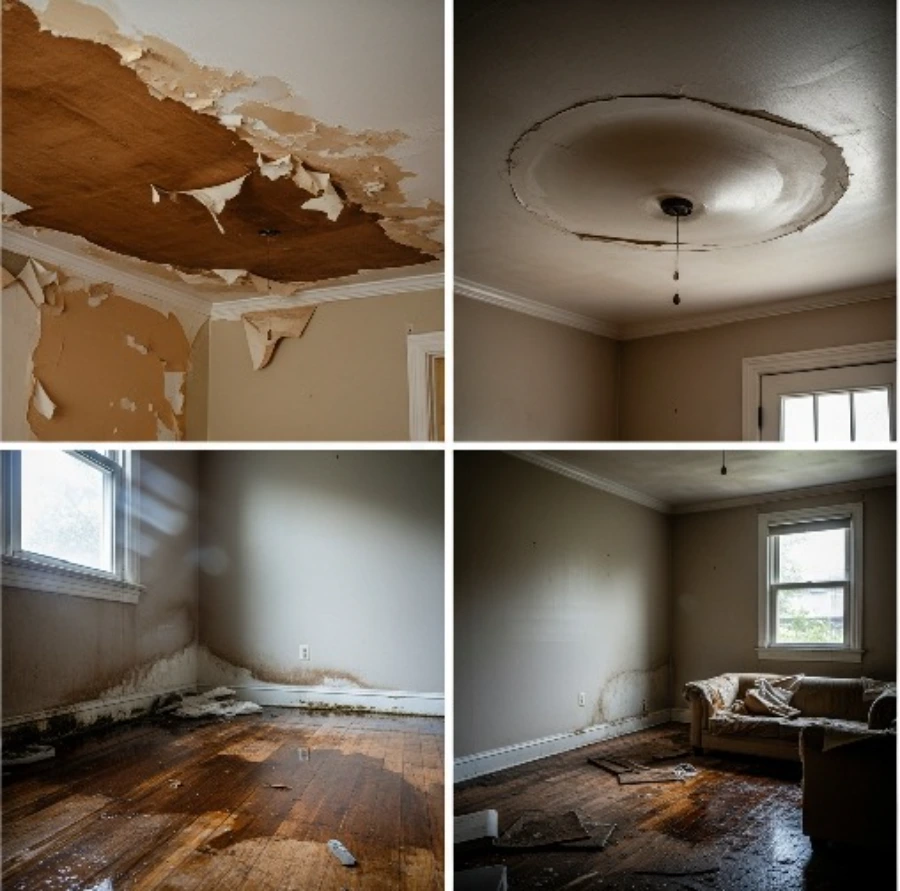 Ceiling Water Damage – Before and After
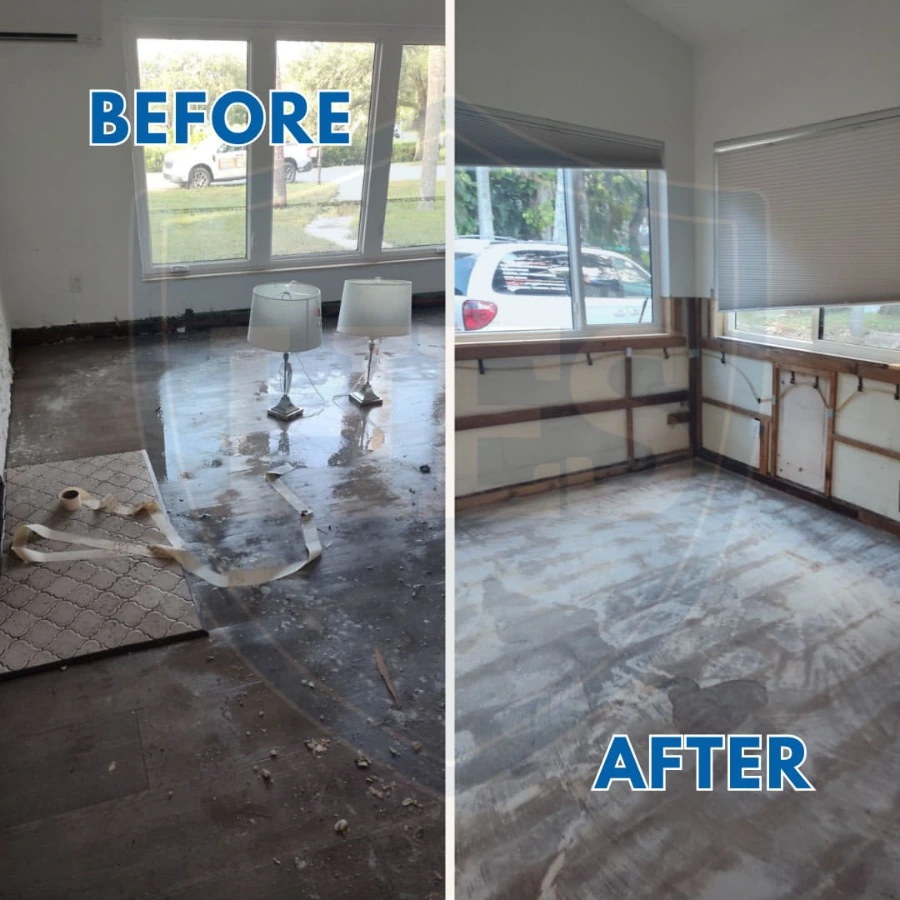 Living Room Flood Damage – Before and After
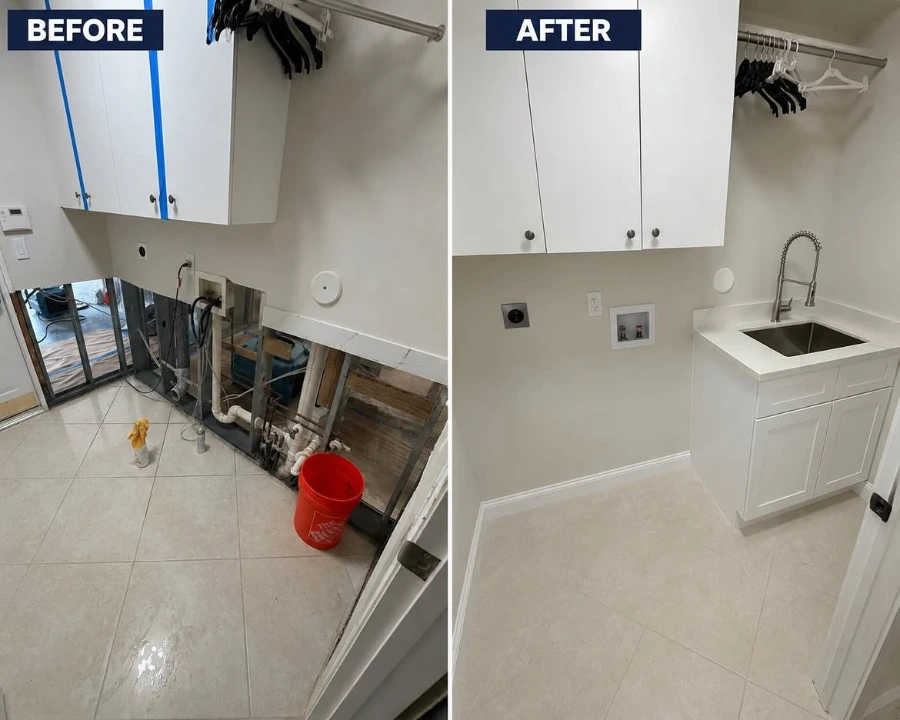 Laundry Room Water Damage – Before and After
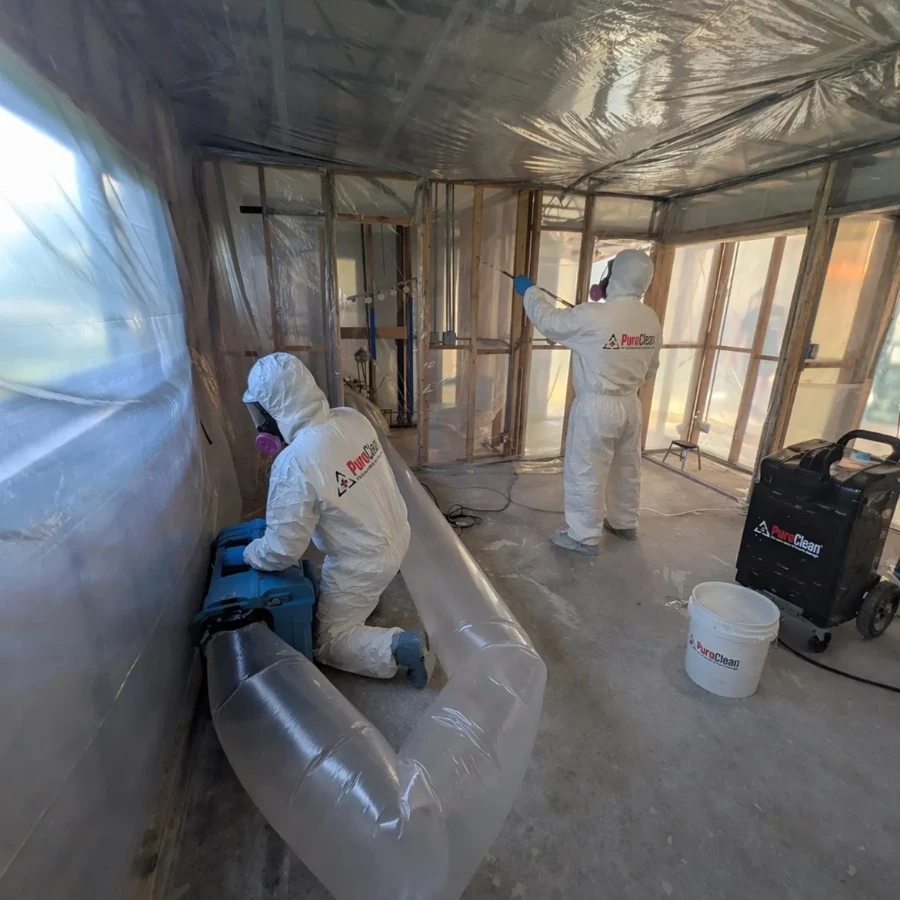 Mold Remediation in Progress
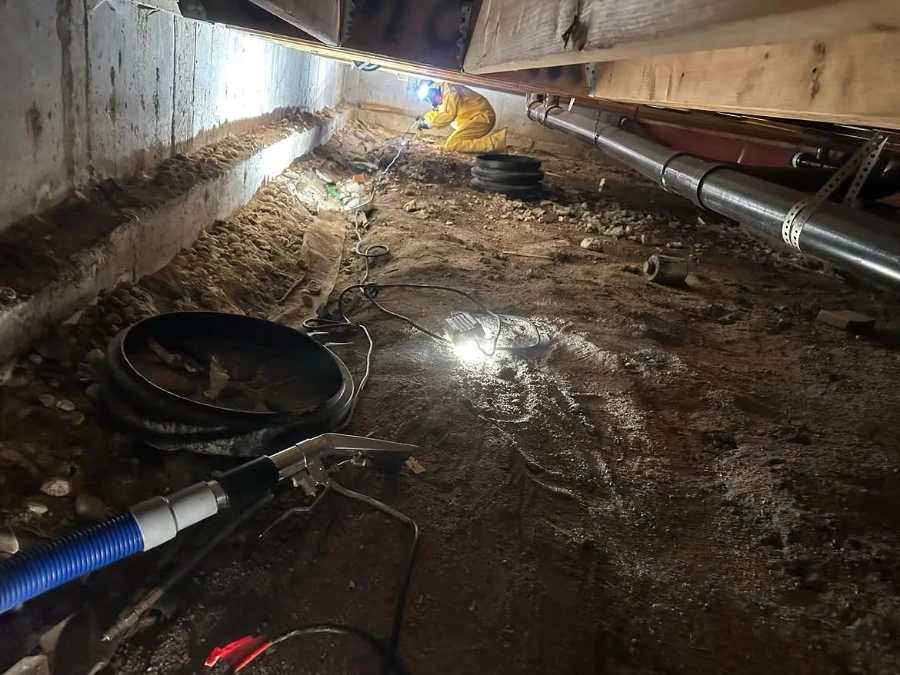 Crawlspace Water Extraction
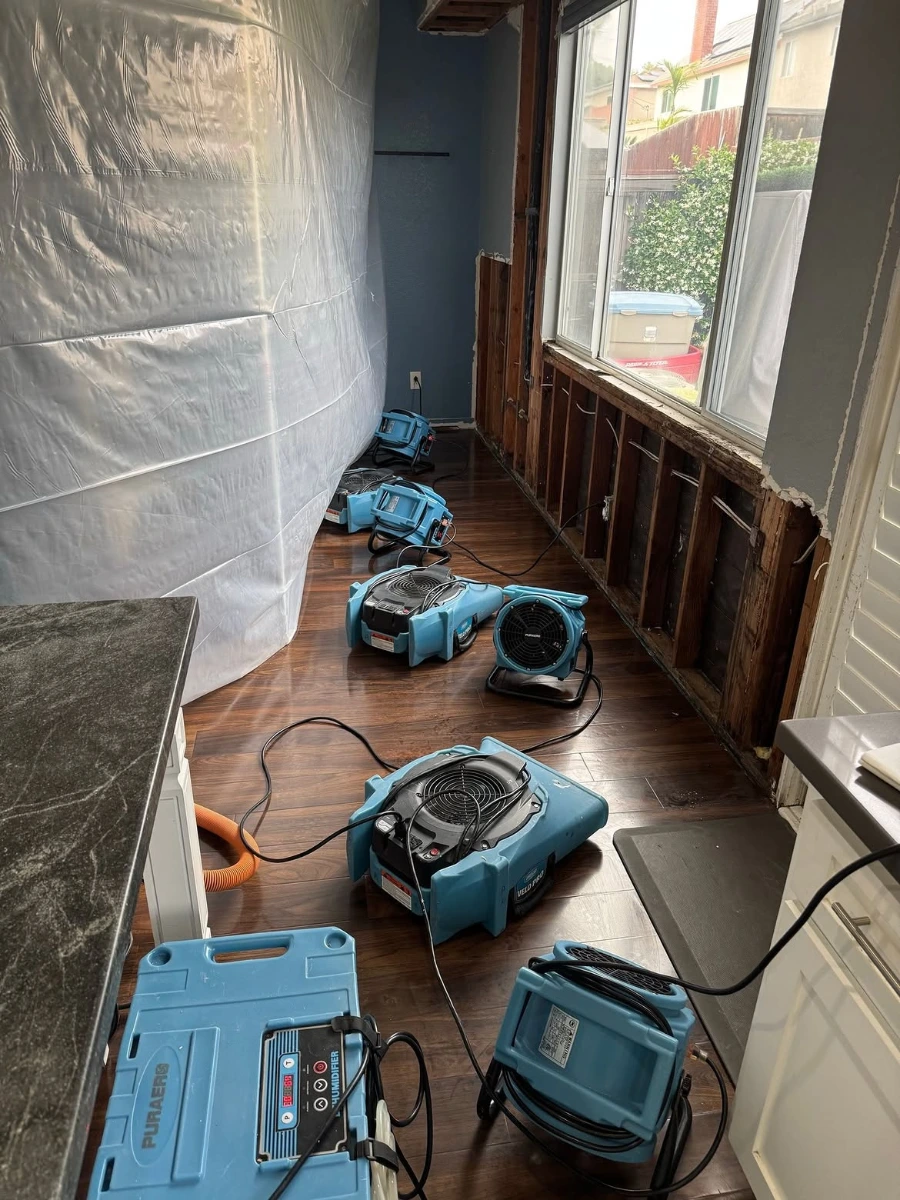 Structural Drying Setup
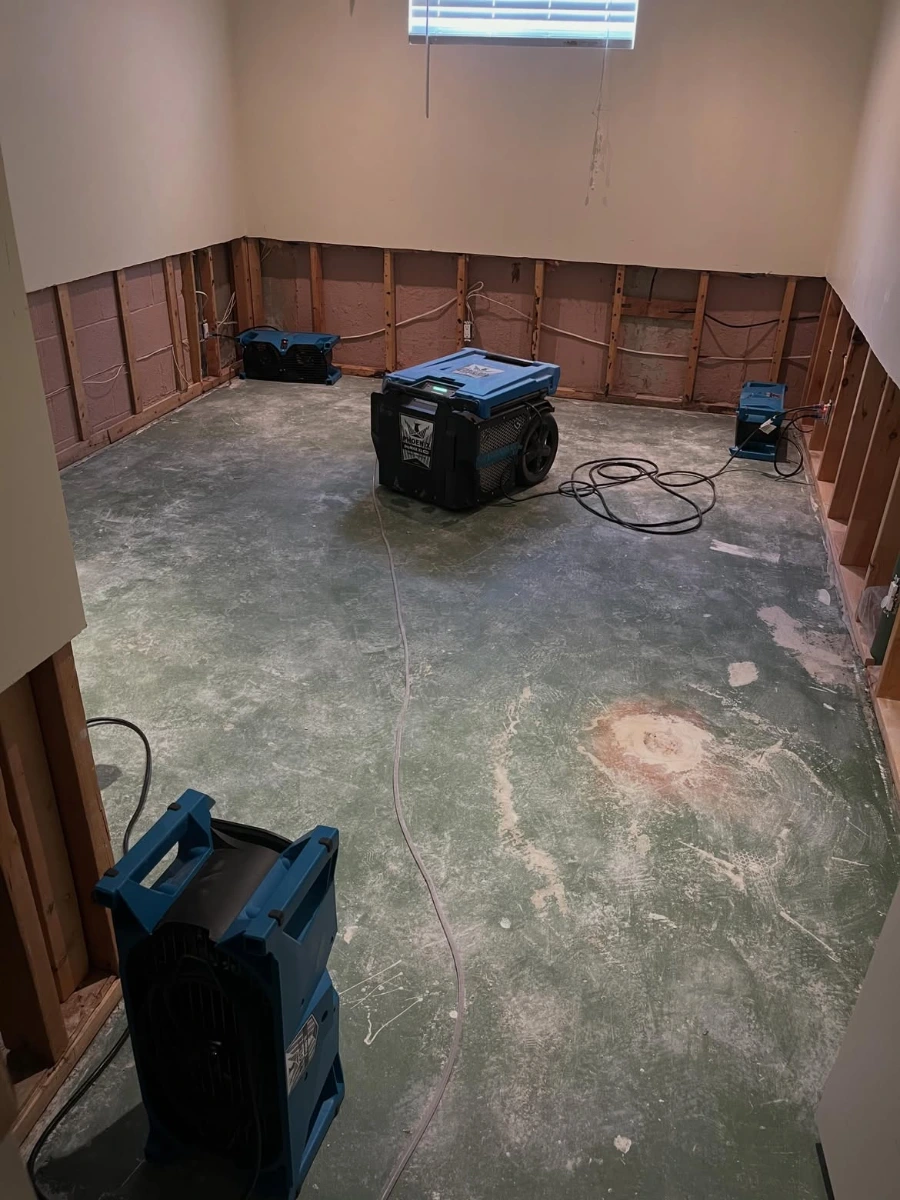 Basement Flood-Cut Drying
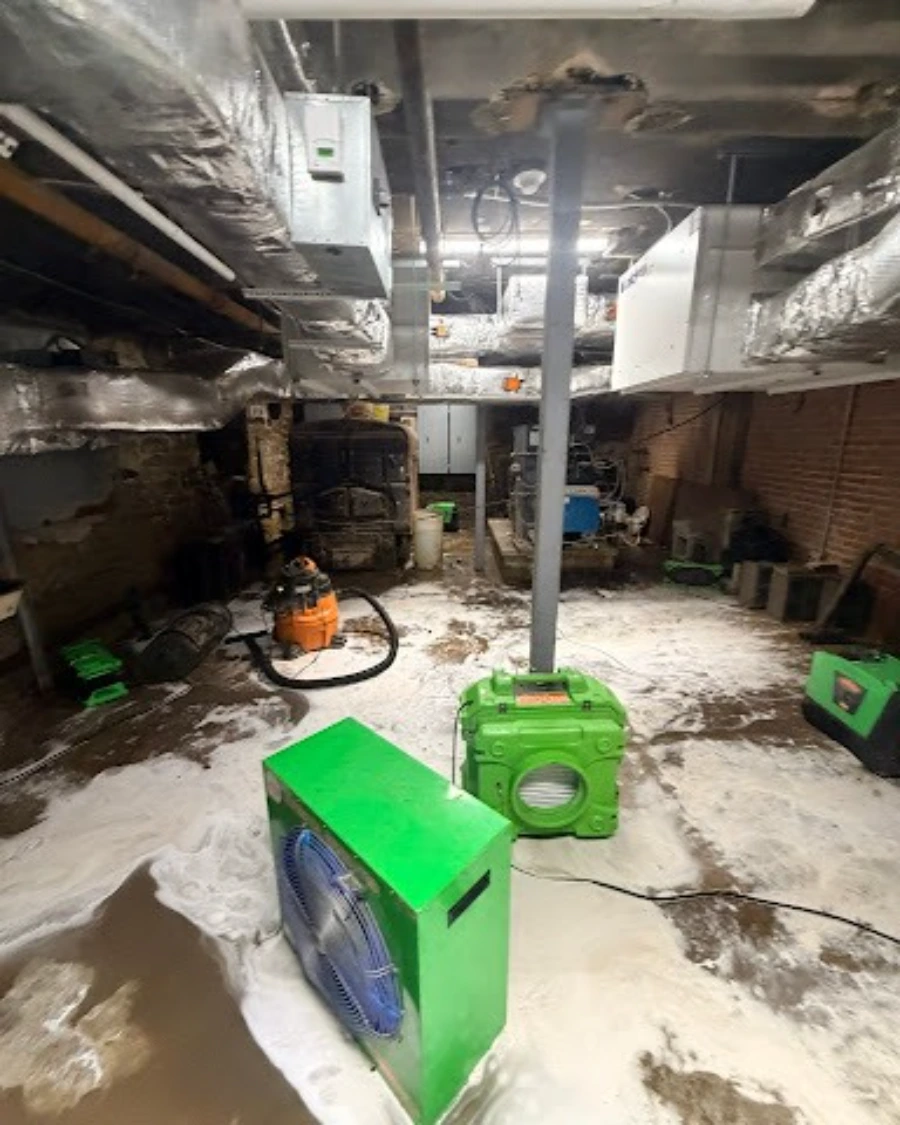 Flooded Basement Drying Setup
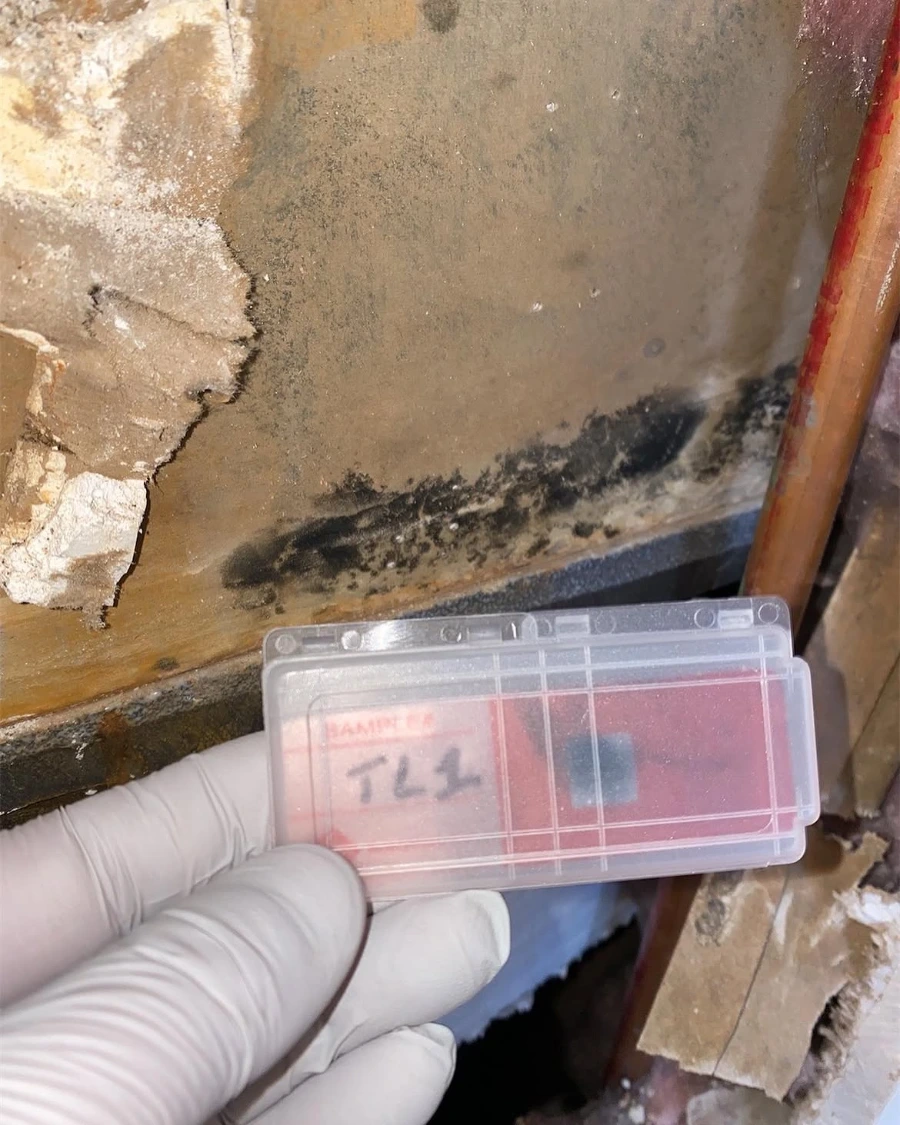 Basement Mold Remediation
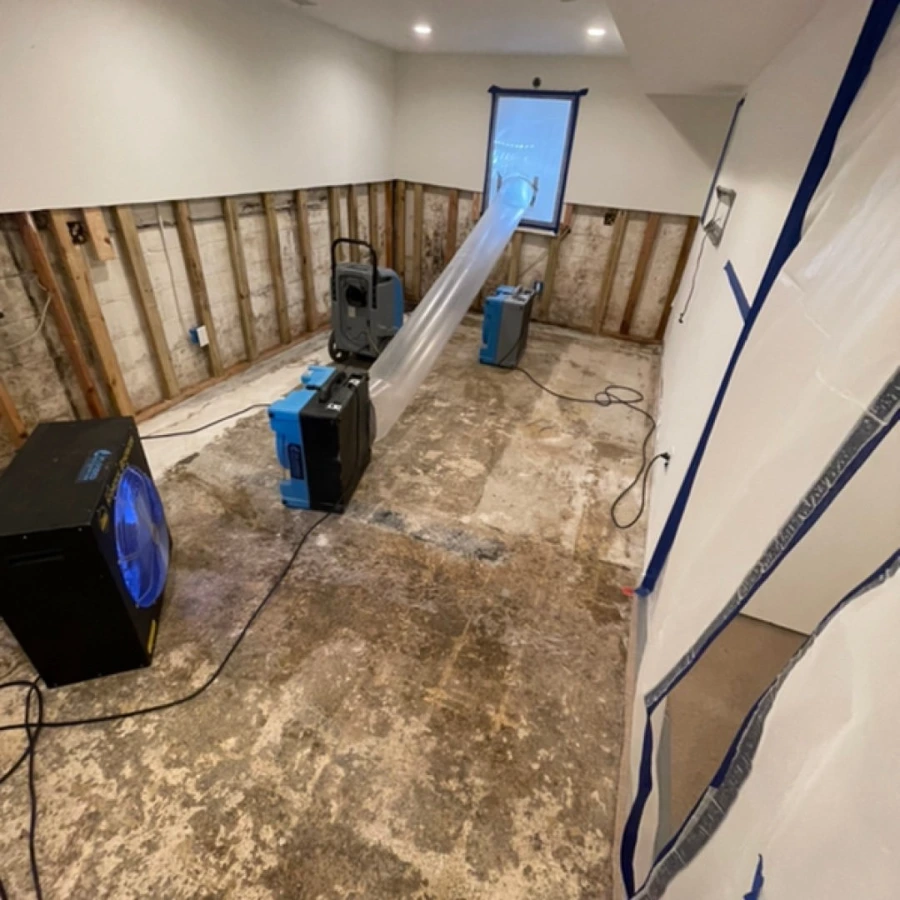 Mold Containment Barrier
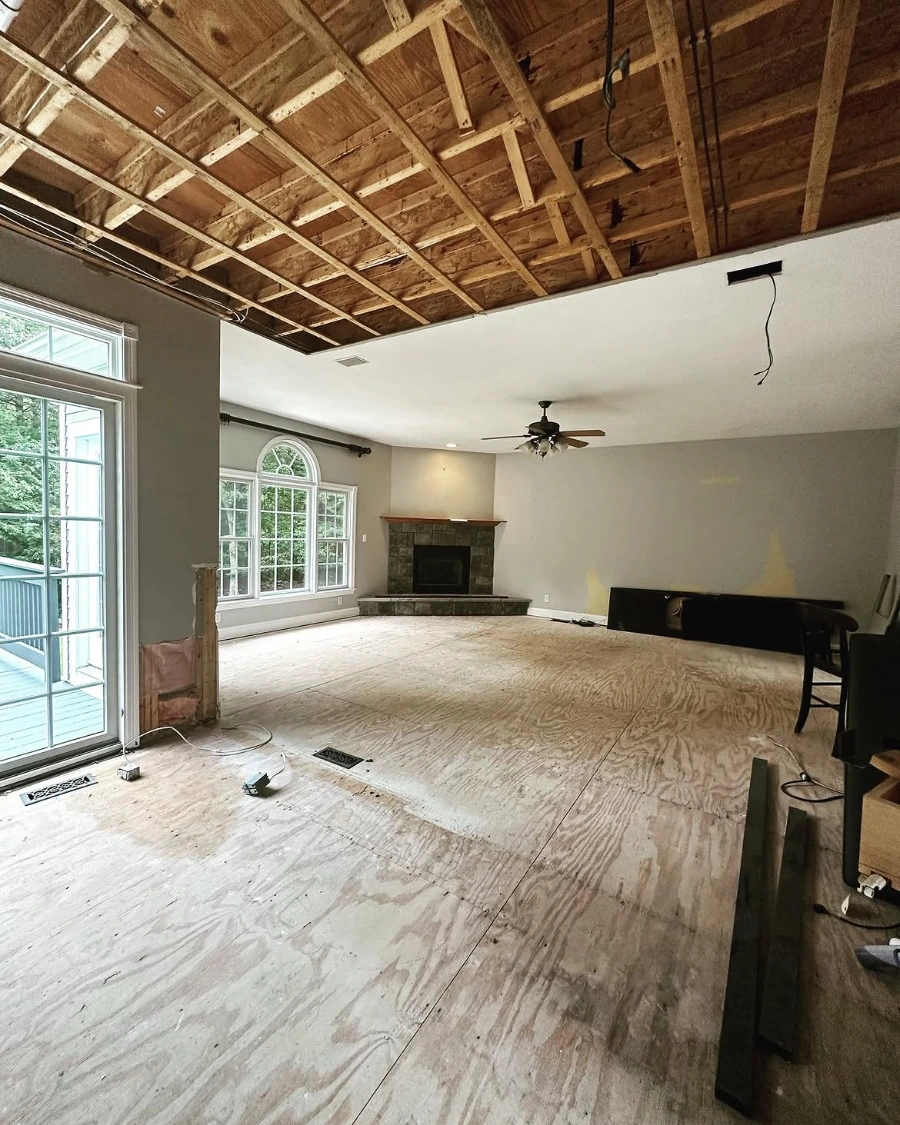 Living Room Demolition
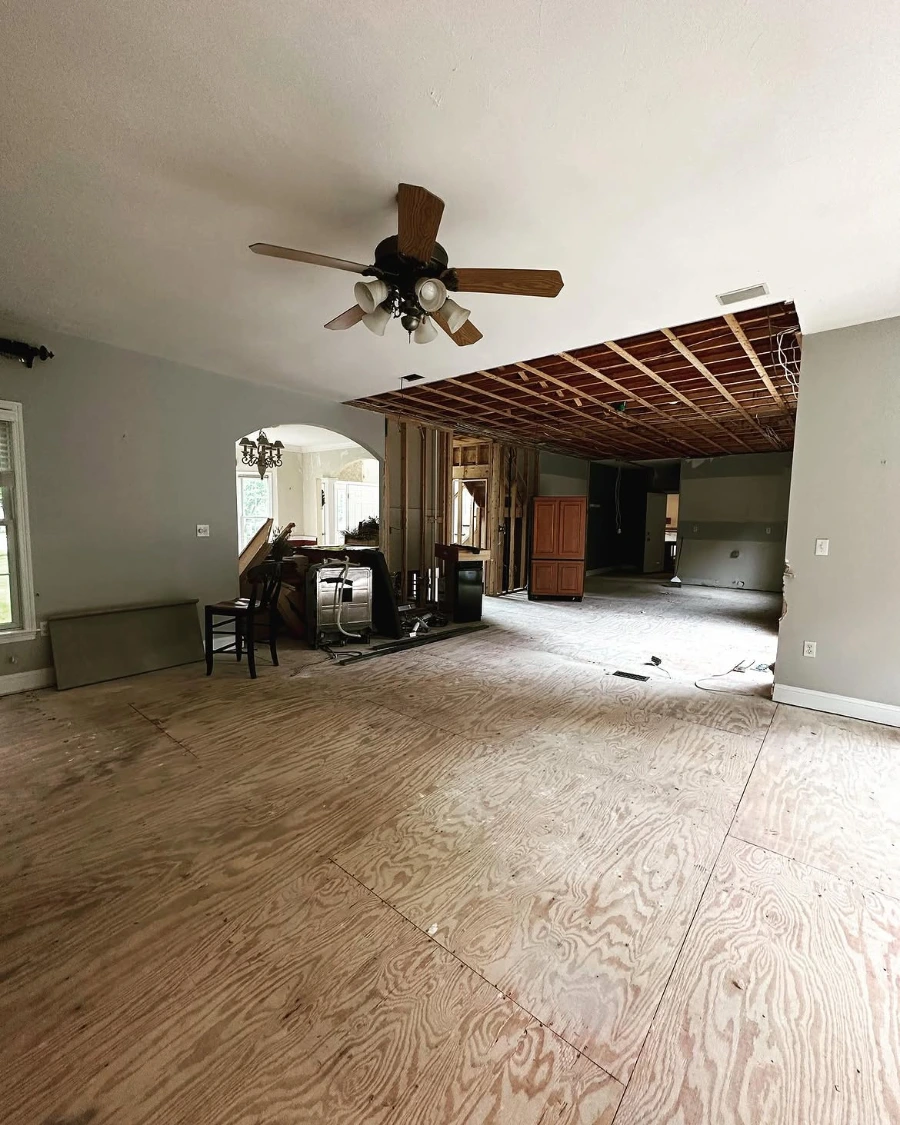 Living Room Demolition – Second Angle
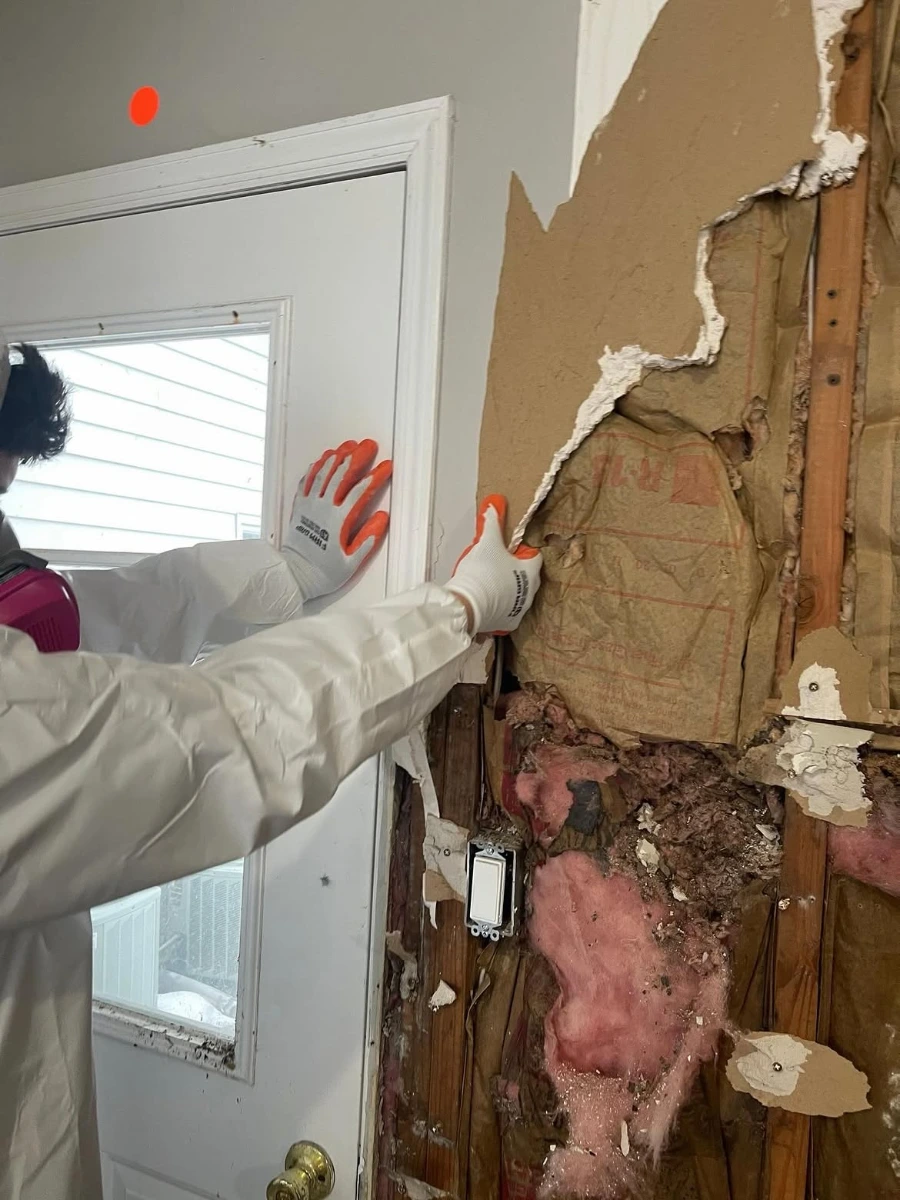 Water-Damaged Wall Inspection
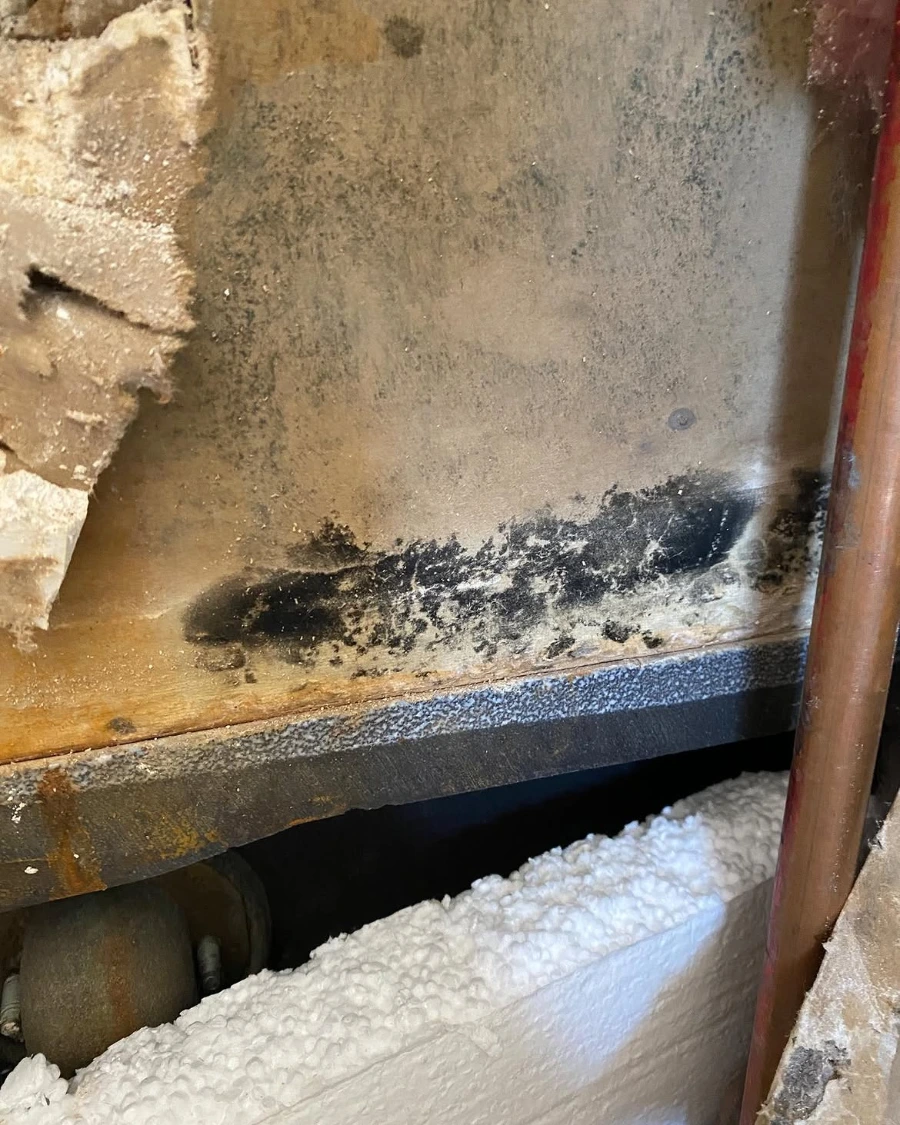 Black Mold Close-Up
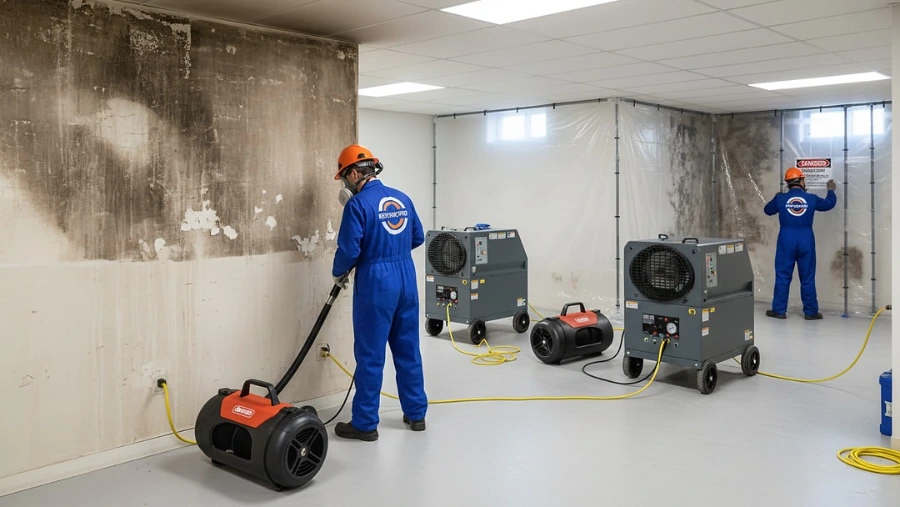 Mold Remediation Process
Got Questions?
Straight answers to what Minneapolis homeowners ask most before calling. Don’t see yours? Just call.
Call us (612) 555-0147
Water damage doesn’t wait for business hours, and neither do we.
Every hour water sits is another hour of damage spreading into materials that were dry an hour ago. If you’re dealing with water damage restoration in Minneapolis right now, the fastest thing you can do is call. There’s no cost to have a technician assess the damage and tell you honestly what you’re dealing with.
24/7 dispatch. Licensed, bonded, insured, and IICRC certified.
24/7 water damage restoration for the Twin Cities metro.
Call us (612) 555-0147
wajiddoesmarketing@gmail.com
Navigate
Areas We Serve
Serving the Twin Cities Metro
© 2026 Minneapolis Water Damage Restoration. All rights reserved.